
Why Brown Trout Love Shallow Water in Rivers
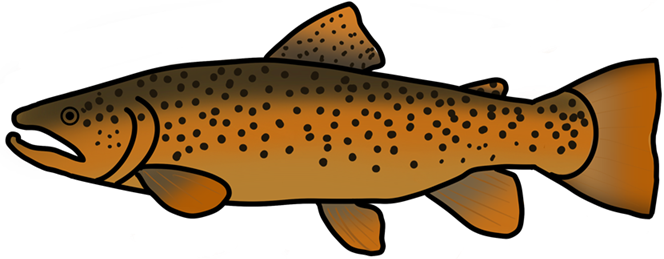
Most anglers walk past shallow water far too quickly.
It is easy to understand why. Deep pools naturally draw attention. Dark water beneath overhanging trees looks mysterious and full of promise, the sort of place where a large wild brown trout should live. Meanwhile, the shallow riffle above it often appears empty — just noisy water tumbling over rocks in water barely deep enough to cover your boots.
Yet wild brown trout constantly prove otherwise.
Almost every river angler has experienced that sudden moment of panic while wading across what looked like empty water, only for a trout to explode from beneath their feet and disappear upstream in a flash of bronze and gold. Sometimes the fish is far larger than expected. A thick wild brown trout hidden in water that seemed impossibly shallow camouflaged by the riverbed..
It completely changes the way you look at rivers.
Across the UK, from Yorkshire Dales becks to Welsh freestone rivers and Scottish Highland streams, brown trout spend a surprising amount of time in shallow water. In many rivers, the shallowest sections are often some of the most productive areas on the entire stretch. Riffles, shallow runs, pool tails and broken pocket water regularly hold feeding trout throughout the season.
The reason for this comes down to survival. Every trout is constantly balancing three things: food, oxygen and protection, all while trying to use as little energy as possible. Shallow broken water provides all three remarkably well.
One of the biggest advantages is food delivery. Fast shallow water acts like a conveyor belt, bringing food directly to the fish every second of the day. Nymphs become dislodged from rocks, caddis larvae tumble through the current, and insects blown from surrounding vegetation drift helplessly downstream. Instead of actively chasing food, trout can simply hold position behind rocks, gravel humps or tiny depressions and allow the river to do the work for them.
To us, shallow riffles can look chaotic and impossible to hold in, but trout see them very differently. Even in fast turbulent water there are countless tiny cushions and softer seams where fish can rest comfortably while the main current carries food overhead. A trout may only move a few inches to intercept a drifting insect before slipping back into its lie again.
This is why many wild trout in UK rivers hold in water anglers assume is too shallow or too fast to contain fish. In reality, these areas are often the richest feeding lanes in the river.
Shallow water also provides something trout desperately need, especially during summer: oxygen.
Fast broken riffles constantly churn oxygen into the river. During warm weather and low flows, deeper slower pools can actually contain less oxygen than shallow runs. Trout thrive in cold, highly oxygenated water, and shallow riffles often provide the perfect environment during difficult conditions.
On hot summer afternoons, trout frequently abandon sluggish water and move into shallow necks and runs where the current remains lively and oxygen-rich. What appears uncomfortable to us is often exactly where trout want to be.
Protection is another huge reason trout favour shallow water. It seems counterintuitive because shallow water appears exposed, but broken surface water actually hides fish extremely well. The constantly moving surface distorts shapes, light and shadows, making it difficult for predators to see clearly into the river.
In calm water, a trout can feel vulnerable. Herons, cormorants and anglers all have a clearer view beneath the surface. But in shallow turbulent water, visibility becomes distorted and unpredictable. A trout lying in twelve inches of broken current can often feel safer than one sitting in four feet of crystal-clear pool water.
This is one reason experienced river anglers treat shallow water with caution. The water that appears empty often holds far more fish than expected. Many anglers unknowingly wade straight through productive lies simply because they assume trout cannot possibly be there.
Large trout behave similarly at certain times of day. During low light conditions, insect hatches or after rainfall slightly colours the river, bigger fish often move confidently into very shallow margins to feed. Early mornings and evenings especially can transform a river completely.
Watch a shallow riffle carefully at dusk and it suddenly comes alive. Tiny dimples begin appearing across the surface. Then proper rises. Trout slide into water so shallow their backs nearly break the surface as they intercept emerging insects drifting downstream.
Some of the most memorable trout are caught in places that many anglers would never think to fish.
A big wild brown trout moving through skinny water in fading light is one of the greatest sights in river fishing. The fish knows exactly where the current funnels food and uses the broken surface as cover while it feeds aggressively in water barely deep enough to hide it.
But trout in shallow water demand more from anglers.
Stealth becomes critical. Heavy footsteps, careless wading or even a badly placed shadow can send fish scattering instantly. Vibrations travel quickly through shallow water, and wild trout are incredibly aware of danger. This is why experienced river anglers move slowly, observe carefully and often spend more time watching the water than casting into it.
Learning to fish shallow water changes the entire way a river is approached. Instead of focusing only on obvious deep pools, anglers begin noticing subtle current seams, bubble lines, gravel depressions and tiny pockets behind rocks. Water that once looked empty suddenly becomes full of possibility.
Over time, many anglers actually gain more confidence fishing shallow broken water than deep still pools because trout holding in riffles are usually active fish. A trout sitting in shallow current is often there to feed, whereas fish lying deep may simply be resting or sheltering.
Of course, trout do not remain shallow all the time. Bright sunlight, extremely low clear water and heavy fishing pressure can push fish into deeper cover beneath roots, undercut banks and structure. But even then, many trout return to shallow feeding areas whenever light levels drop or conditions improve.
What makes wild brown trout so fascinating is their adaptability. They are perfectly designed for river life, capable of using tiny pockets of current and surprisingly shallow lies to survive in environments that appear impossible to us.
The next time you approach a river, resist the temptation to ignore the shallow water. Study the riffles carefully. Watch the seams and broken currents. Slow down before stepping into that ankle-deep run.
Because sometimes the trout you travelled miles to catch is sitting in water no deeper than your boots, hidden beneath a dancing surface of broken current while anglers walk straight past above.
Conclusion
Brown trout do not choose shallow water by accident. Every riffle, seam and shallow run offers them a balance of food, oxygen, protection and efficiency that many deeper areas simply cannot provide. What appears to us as chaotic, featureless water is often a perfectly designed feeding lane for a wild trout.
For anglers, understanding this changes everything. Rivers begin to look completely different once you realise that the shallowest water can sometimes hold the most active fish. Instead of only targeting deep pools and dark glides, you start paying attention to subtle currents, broken surfaces and knee-deep runs that previously went ignored.
Perhaps that is part of what makes wild brown trout so captivating. They constantly challenge assumptions. They survive in places that seem too shallow, too fast or too exposed, yet somehow thrive there.
So the next time you fish a river, slow down before stepping into that shallow riffle. Watch the current carefully. Because beneath that broken surface, in water many people would dismiss instantly, there may be a wild brown trout perfectly at home in the last place you expected to find it.
— David